Keynotes & Featured Remarks
Opening remarks, featured talks, and speeches for conferences, community gatherings, campaign events, public programs, and advocacy organizations.

Book Christine Nicols for engaging talks, hands-on civic education, organizing courses, advocacy workshops, and communications training. Built for schools, colleges, nonprofits, campaigns, and community groups.
INVITE CHRISTINE TO SPEAK
Christine brings years of experience in progressive campaigns, grassroots movements, public advocacy, and community leadership to audiences ready to learn, organize, and act. She has spoken at high schools and colleges, at rallies and public forums, and in campaign and community settings.
Opening remarks, featured talks, and speeches for conferences, community gatherings, campaign events, public programs, and advocacy organizations.
Guest presentations and interactive workshops for students exploring civic participation, community organizing, advocacy, leadership, and how change happens.
Practical sessions on organizing campaigns, engaging volunteers, building coalitions, planning public actions, field leadership, and know-your-rights education.
Panel participation, moderated conversations, community forums, and event facilitation grounded in experience working with diverse groups and shared goals.
FEATURED COURSE & WORKSHOP SERIES
Civic education should move beyond memorizing how government works. These interactive courses connect public institutions and political rights to the real decisions, conversations, conflicts, and campaigns that shape communities. Participants work through practical exercises and leave with something they can use.
STUDENTS & COMMUNITY LEARNERS
How decisions actually get made, from school boards and city councils to county legislatures and state government. Trace a local issue, identify decision-makers, practice constituent outreach, and design a realistic plan for participation.
Takeaway: a civic-action map and an outreach plan.
STUDENTS, EMERGING LEADERS & GRASSROOTS GROUPS
Turn a problem people care about into an organized campaign: set a demand, map stakeholders and power, recruit a team, choose tactics, build a timeline, and decide how progress will be measured.
Takeaway: a campaign plan with roles, targets, and next steps.
ADVOCATES, STUDENTS & COALITIONS
Follow a proposal from idea to legislation or policy change. Practice researching a bill, preparing testimony, coordinating meetings with elected officials, and making a clear ask.
Takeaway: a policy brief, sample testimony, or meeting agenda.
CAMPAIGNS, ADVOCATES & ORGANIZATIONS
Identify an audience, develop a core message, frame a public issue without losing nuance, respond to tough questions, and build a communications plan across speeches, press, social platforms, and direct outreach.
Takeaway: message framework, talking points, and a sample press pitch.
STUDENT LEADERS, CANDIDATES & SPOKESPEOPLE
Learn how to shape a personal or community story into a persuasive public message; practice short remarks, press interviews, public testimony, and confident communication in challenging situations.
Takeaway: a short prepared speech and an interview-response worksheet.
FIRST-TIME ORGANIZERS & VOLUNTEER TEAMS
Plan a rally, march, forum, or public meeting from initial goals through accessibility, volunteer roles, speaker coordination, permits and logistics, outreach, safety considerations, and follow-up.
Takeaway: an event run-of-show and organizing checklist.
CAMPAIGN VOLUNTEERS, STUDENT GROUPS & ORGANIZERS
Practice opening respectful conversations, listening before persuading, asking effective questions, responding to reluctance, and turning an interaction into a meaningful invitation to participate.
Takeaway: outreach scripts, role-play experience, and a follow-up plan.
COMMUNITY GROUPS & ADVOCATES
Explore how rights education, community preparedness, legal observation, documentation, mutual aid, and referral networks fit together. Distinguish volunteer roles from legal representation and plan for privacy and safety.
Takeaway: a community resource map and a preparedness checklist.
SCHOOLS, NONPROFITS & COMMUNITY ORGANIZATIONS
Discuss survivor-centered communication, barriers to support, domestic and sexual violence advocacy, appropriate referrals, community accountability, and strategies for pursuing safer institutional practices. Sensitive sessions are tailored to audience needs and professional boundaries.
Takeaway: an audience-appropriate response and referral framework.
Programs can be adapted for a class period, guest lecture, half-day workshop, training series, panel, or multi-session cohort. These are customizable course designs, not a claim that every curriculum has previously been taught in this exact format.
SUBJECT AREAS
The featured courses above can stand alone or be combined with these specialized modules. Organizations can request an introductory session, skill-building practice, or an extended sequence appropriate to their audience.
Make democracy tangible for students: local issues, school and community decision-making, practical civic participation, leadership development, power mapping, and student-designed action projects.
Campaign planning, canvassing, volunteer recruitment, voter conversations, coalition strategy, petitioning, ballot initiatives, and what actually happens behind the scenes of an electoral campaign.
Moving from concern to collective action; identifying goals, building a team, running meetings, recruiting volunteers, creating an action plan, and maintaining momentum after the initial event.
From an idea to an organized public gathering: event planning, roles, accessible outreach, volunteer and speaker coordination, de-escalation considerations, communications, and post-event follow-through.
Practical community education about preparing for public actions, understanding the role of legal observers, documenting incidents, knowing where to find authoritative rights resources, and building a community response plan. Not a substitute for legal advice.
Recognizing barriers survivors face, responding without blame, finding support resources, community education, and building survivor-centered environments. Workshops are informed by previous work with Helping Others Onward and domestic-violence and rape-crisis advocacy.
Survivor-centered discussions of consent, disclosure, stigma, referral pathways, community support, and institutional responsibility, with trauma-informed planning appropriate to the audience.
Women’s movement history, reproductive autonomy, civic participation, public advocacy, and connecting contemporary struggles to sustained organizing and legislative action.
Community education, immigrant-rights organizing, rapid response, detention advocacy, and support networks for people navigating immigration systems. Draws on experience supporting Haitian asylum declarations and community advocacy, without offering legal representation.
How people can identify policy demands, understand legislative processes, engage elected officials, create effective testimony or constituent outreach, and sustain pressure for concrete policy change.
Organizing across communities, anti-racism education, relationship building, public accountability, and lessons from grassroots civil-rights mobilization.
Build a strong narrative arc, prepare concise talking points, practice interviews and testimony, develop clear calls to action, and adapt communications for students, journalists, elected officials, and community audiences.
Prepare volunteers to lead small-group sessions, deliver consistent information, facilitate discussion, welcome new participants, and refer questions or concerns to the right resources.
Building support networks, volunteer intake and dispatch processes, neighborhood communications, rights-resource distribution, and coordinated community response to immigration enforcement.
Understanding the distinct roles of court observers and legal observers, preparing volunteers, documenting events responsibly, maintaining appropriate boundaries, and connecting people with qualified legal support.
Community education on how to organize supporting information, listen respectfully, protect sensitive information, and assist people seeking qualified legal services. Not legal advice or case representation.
For new candidates, campaign staff, and aspiring campaign managers: planning a campaign, developing a team, managing schedules, organizing voter contact, building coalitions, and preparing for public events.
Practical volunteer training in respectful voter contact, canvassing shifts, phone banking, issue conversations, literature distribution, and field-team coordination.
How to evaluate a campaign, document lessons learned, thank and retain volunteers, preserve relationships, and translate campaign infrastructure into ongoing community action.
Building communication practices for volunteer teams and public events, navigating disagreements, recognizing when to seek specialist help, and using collaborative problem-solving approaches.
Mapping neighborhood resources, building volunteer intake and referral pathways, coordinating practical mutual aid, and helping families prepare contacts, documents, and support plans.
Planning a community benefit or campaign fundraiser, recruiting collaborators, organizing logistics and donor outreach, coordinating participants, and building follow-up into the event plan.
Lessons from early-stage nonprofit leadership: identifying a mission, building relationships, recruiting volunteers, coordinating services, and distinguishing nonprofit work from electoral projects.
Audience analysis; message development and framing; press releases and pitches; spokesperson coaching; interviews; crisis-response preparation; persuasive speeches; social media planning; message consistency across campaigns and coalitions.
CAMPUS & STUDENT PROGRAMMING
For high schools, colleges, faculty, student organizations, and civic-engagement programs: guest lectures, interactive simulations, semester-linked projects, student leadership development, and collaborative workshops on democracy in practice, community organizing, policy advocacy, and media literacy. Sessions can be adapted to course objectives and age group.
SELECTED EXPERIENCE
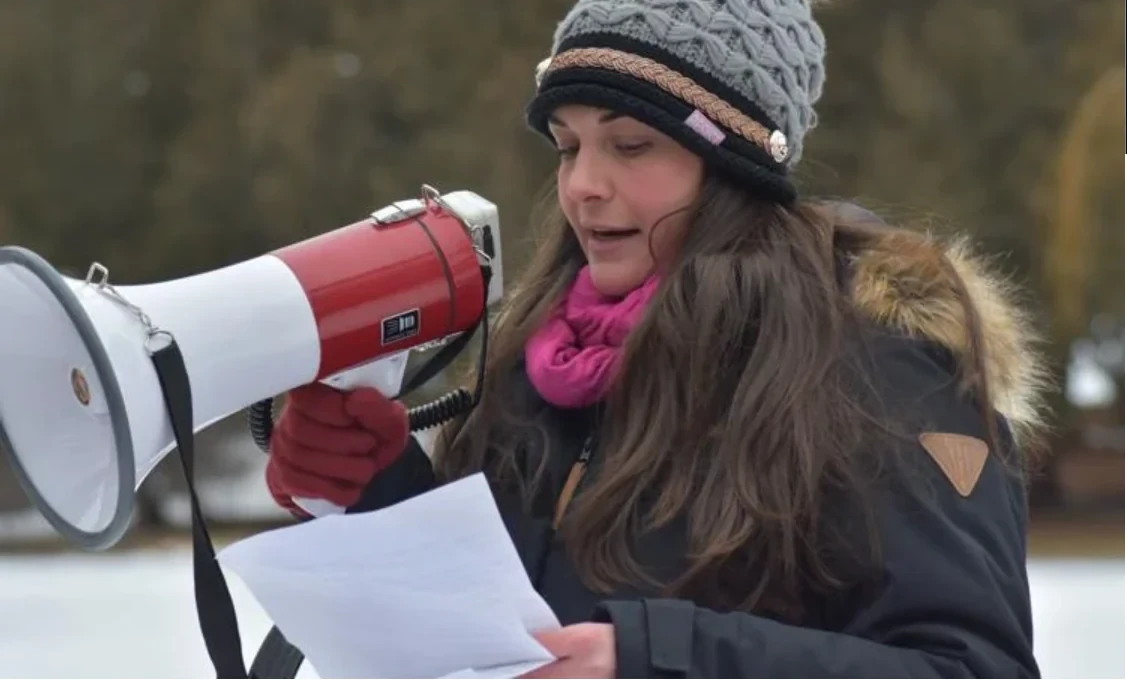
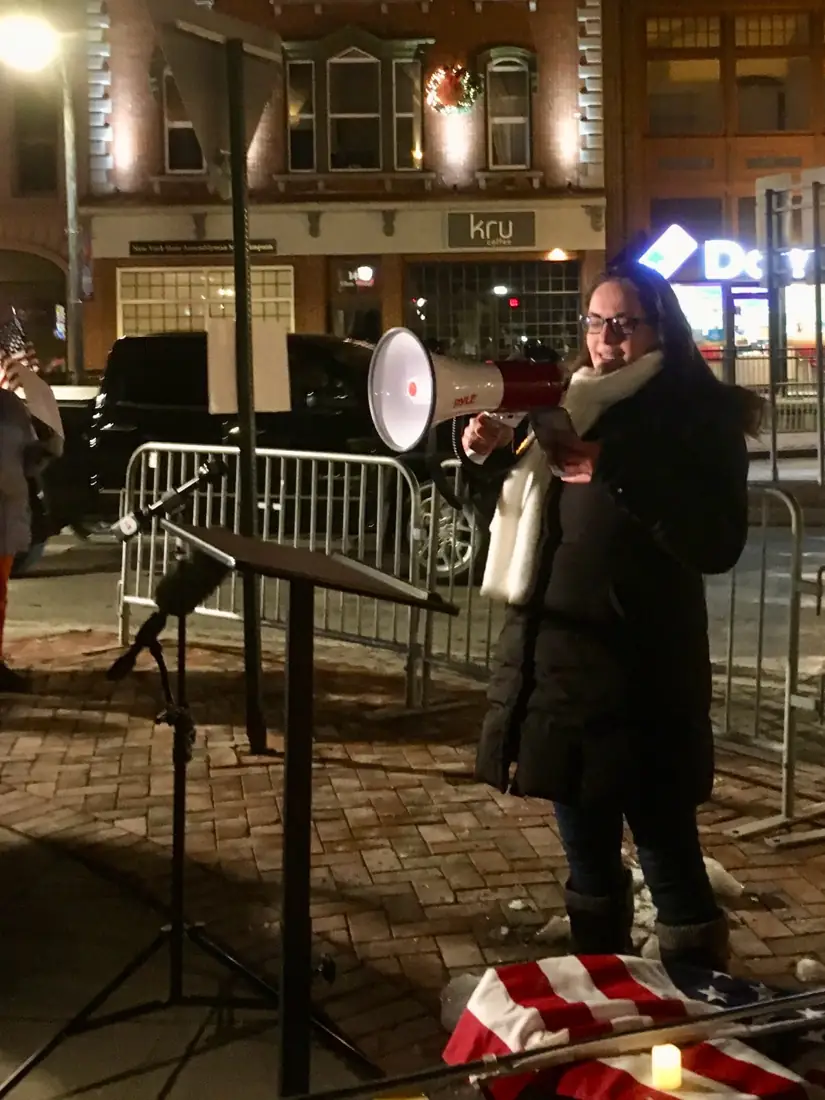
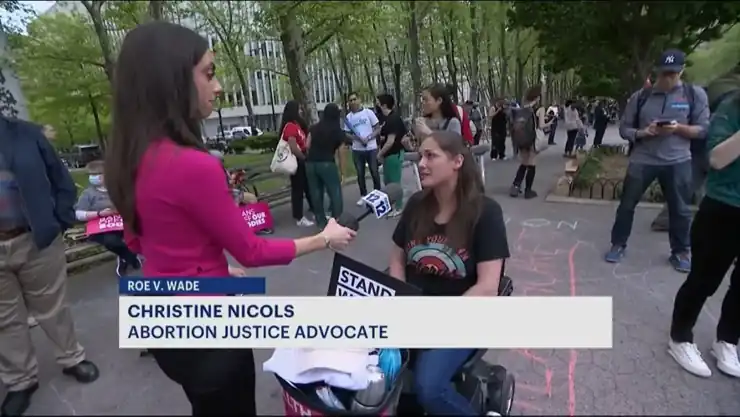
Christine delivered opening remarks at the January 2020 Women’s March in Glens Falls and spoke at a January 6 anniversary vigil on democracy and accountability. She has also spoken at high schools and colleges, led organizing and advocacy workshops, and coordinated more than 50 community actions and events as an SWWPA co-chair.
BOOKING INQUIRIES
Invite Christine for a keynote, student program, facilitated dialogue, advocacy workshop, training, or multi-session series. Include the organization, event date, audience, location or virtual format, topic, goals, and requested duration. For sensitive subjects, planning includes audience-appropriate boundaries and support resources.